
We turn the mountain horizon into a habit–freedom you can repeat and trust.
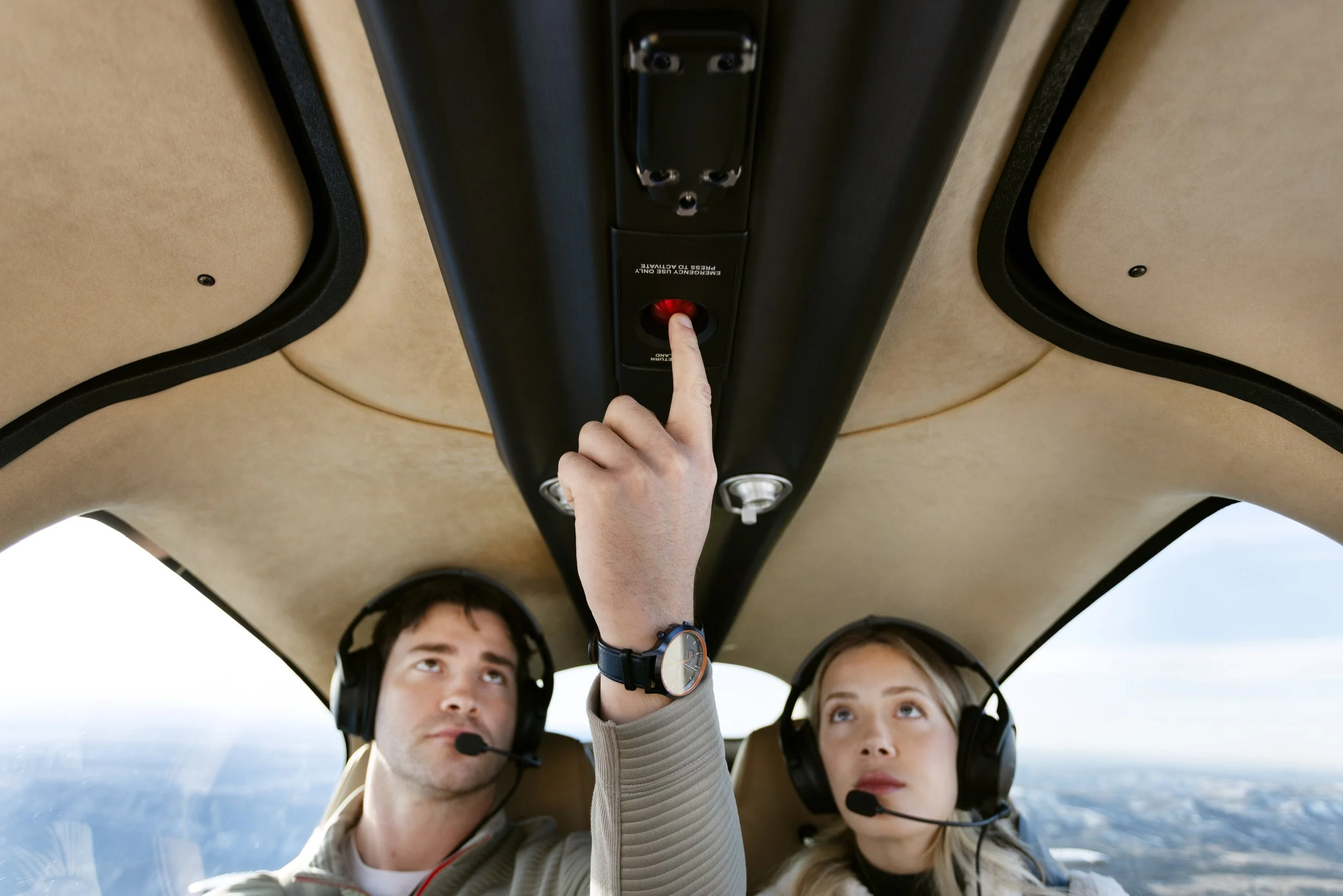
Training exclusively in the Cirrus SR Series, we build judgment, clarity, and calm backed by modern avionics and Cirrus safety systems.
Our Approach
When you’re alone at 8,500 feet with weather rolling in, will your training hold? Did you learn to think or just to pass the test?
Tenet 1Safety-first mindset
Training emphasizes strong aeronautical decision-making, weather awareness, and disciplined procedures so pilots build habits that keep them and their passengers safe in real conditions, not just on checkride day.
Tenet 2Scenario-based learning
Lessons are designed around realistic mountain and cross-country scenarios so students learn how to think, adapt, and stay ahead of the airplane, instead of just memorizing maneuvers.
Tenet 3Personal, mission-driven instruction
Each training plan is tailored to the pilot’s goals, experience, and typical missions so every hour in the air moves them closer to the way they actually want to fly.
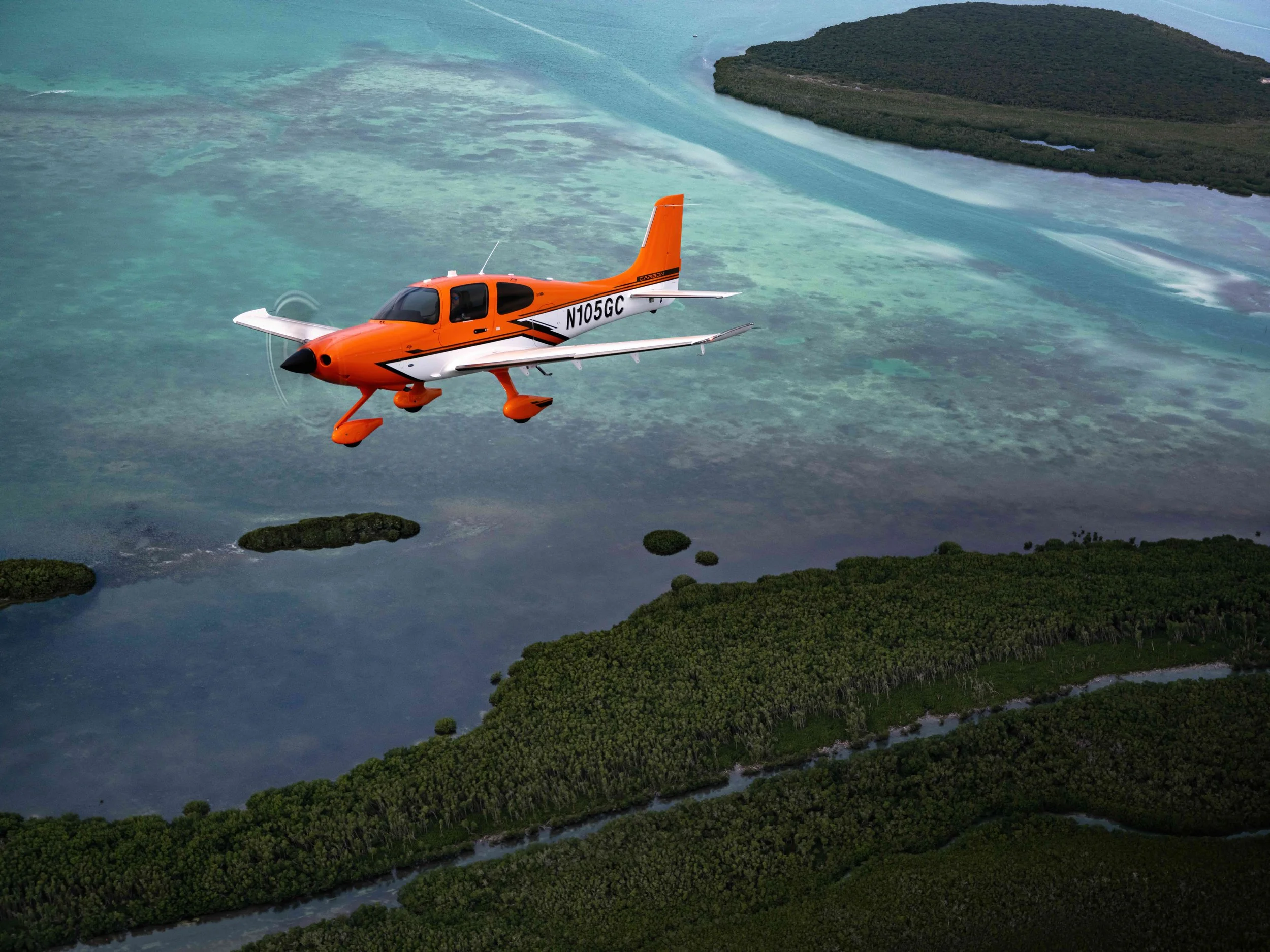
Whatever your flying goal, we're here to help you take the first step with confidence.
-
Learning to fly near Asheville is an experience you do not forget. At NC Mountain Aero, you train in real terrain, real weather, and real airspace. That mix builds skill and confidence that go far beyond the textbook.
We provide instruction in your airplane or ours at Asheville Regional Airport (KAVL). The surrounding area offers multiple practice areas, a blend of controlled and uncontrolled airports, and a variety of approach and departure procedures. It is an ideal setting to learn strong habits from day one.
-
Your Private Pilot Certificate is your foundation. We focus on safety, decision making, and repeatable skills, not shortcuts.
You will learn:
Aircraft systems and preflight inspections
Normal, short field, and soft field takeoffs and landings
Ground reference and basic instrument maneuvers
Weather evaluation and cross country planning
Radio communication and airspace awareness
Training follows a structured syllabus under 14 CFR Part 61, adapted to your pace and experience. Each lesson has a clear objective so you know what you are working toward before you ever start the engine.
-
Mountain weather changes quickly. An Instrument Rating gives you more options and a greater safety margin.
Our instrument training:
Uses real world IFR routes in and out of Asheville
Emphasizes procedure discipline and stable approaches
Builds confidence with departures, arrivals, and instrument approaches at towered and non towered airports
Trains you to manage workload, automation, and communication in busy airspace
We prepare you to meet and exceed the Instrument Airman Certification Standards, so your check ride feels like a familiar flight, not a surprise.
-
Western North Carolina offers beautiful scenery and demanding terrain. We teach you how to respect both.
Mountain training covers:
Terrain and obstacle awareness
Performance planning for short and high density altitude runways
Winds, turbulence, and mountain wave recognition
Go or no go decision making for mountain operations
The goal is simple. You finish each lesson with more skill, more judgment, and a healthy respect for the mountains.
-
You work one on one with an experienced instructor who flies in this environment every day. Your training is personalized to your goals, your airplane, and your schedule. We focus on practical skills you will actually use, so flying stays safe, enjoyable, and repeatable for years to come.
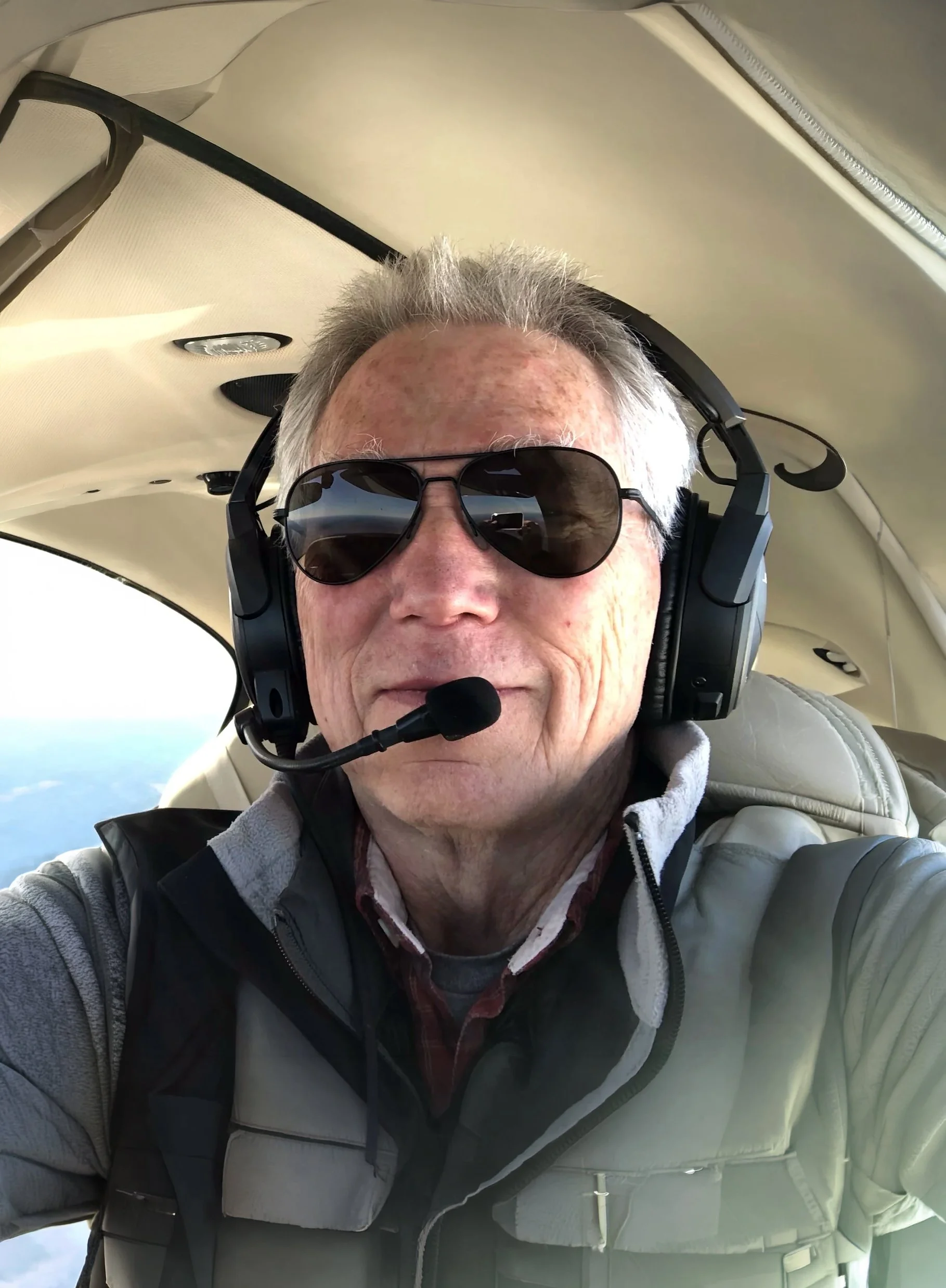
“Knowledgeable. Supportive. Low-key. Observant. Affirming. Upbeat. Responsive. All the qualities you want in an instructor.”
— G Ruffin Benton III, MD, Cirrus Owner and Pilot
Ruffin is both a practicing physician and an Aviation Medical Examiner. He owns and flies his own Cirrus and is an experienced, safety‑minded pilot. He also donates his time and aircraft to fly Angel Flights, transporting people who need medical care at no cost to them.